Pattern KV-C
The display as a pure receiver
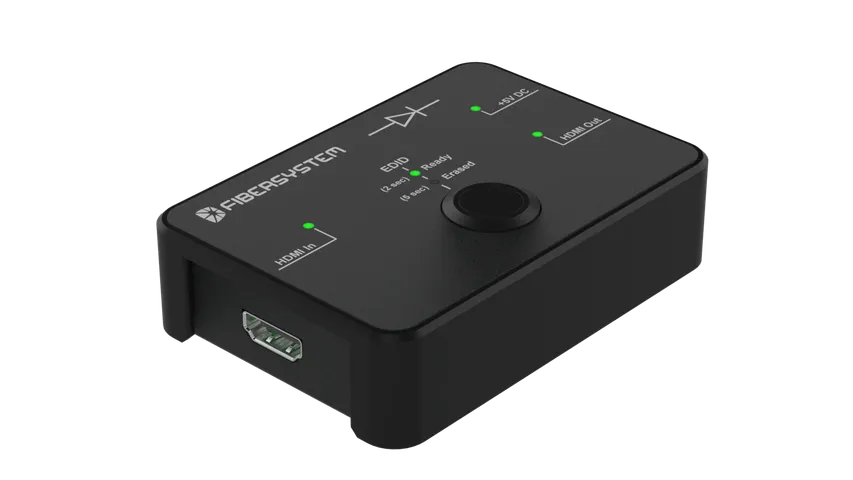
HDMI is not one-way: DDC runs in both directions, and EDID is a shared, writable object.
- Area
- KVM & VTC
- Environments
- 4
- Products used
- 8
How it is built
- One-way path
- Data path
- Path that does not exist
Used in these environments
- Briefing roomA shared room is harder than a single workstation, and the bridge for an external client is a deliberate compromise that must be decided in advance.
- Boardroom in a protected companyThe people in the room have decision authority and no security training, and the equipment has to work without either.
- Training facilityStudents bring their own devices, and a room designed for teaching is designed to be connected to.
- Shared AV equipment in a common meeting roomThe EDID table in the display is overwritten by the fourth computer connected, so the fifth gets a black screen — which is exactly the inconvenience that breeds the workaround.
How it works
Every source sees a diode; none of them sees the display. The diode separates the source’s DDC from the display’s, disconnects ARC, HEC and CEC in both directions, and holds its own captured EDID.
The display is a shared node
A screen is a writable, addressable device on four two-way buses. Calling it “a screen” hides that it is common to every domain that has ever been plugged into it — including over time, and including domains whose users never met.
EDID capture is an installation action
Capture once, at the first installation, and seal it. A capture that any user can trigger is a capture that will be triggered by whoever gets a black screen five minutes before a meeting.
The two exceptions
A touch screen’s USB is a separate cable the diode does not touch — a data path from the shared surface back into a domain, and the most important limitation of this pattern. And audio from any source other than the presenting computer belongs in a separate, fixed chain rather than in a path back through the screen.
In the catalogue
Equipment from the catalogue
TEMPEST Level A · RÖS U1
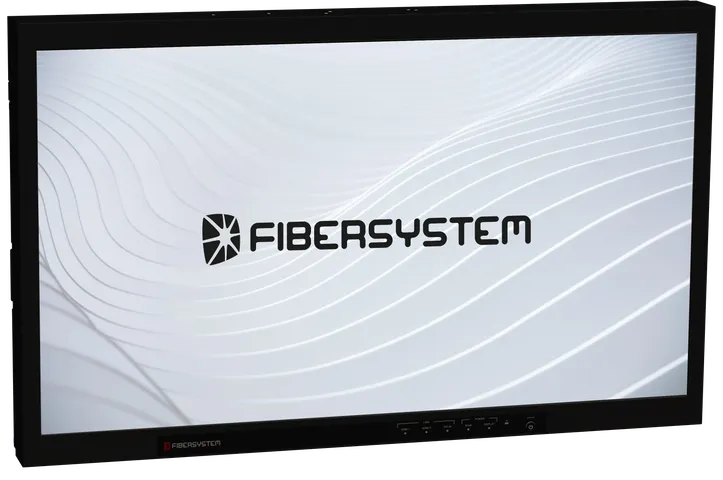
Monitor 55" Touch
- Screen size
- 55”
- Optimal (recommended) resolution
- 3840 x 2160 @ 60 Hz
- Display area
- 1210 x 680 (WxH) mm
Product no 60-00-7729
Standard
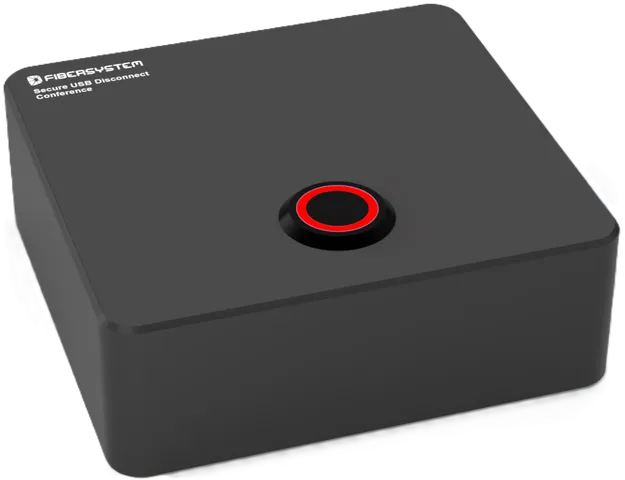
Secure USB Disconnect Conference
- Dimensions
- 38 x 100 x 100 (HxWxD) mm
- Weight
- 300 Gram
Product no 60-00-0235
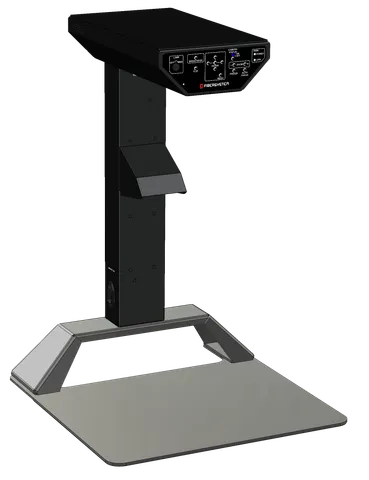
TEMPEST Level A · RÖS U1
Document Camera Level A
- Connection
- IEC 320-C14
- Power consumption, typical
- 12 W
- Dimensions
- 625 x 430 x 435 (HxWxD) mm
Product no 60-00-7776
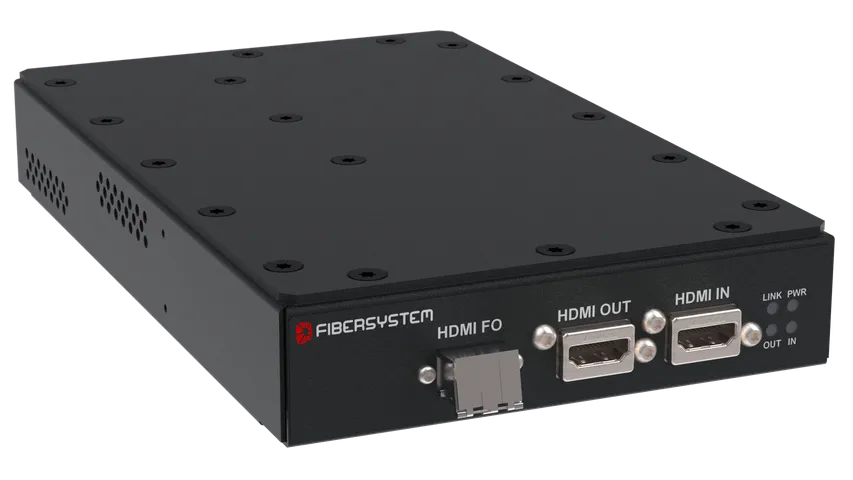
Standard
HDMI–HDMI Fiber Optic Converter
- Connector
- IEC 60320 C14
- Dimensions
- 32x130x217 (HxWxD) mm
Product no 60-00-7909
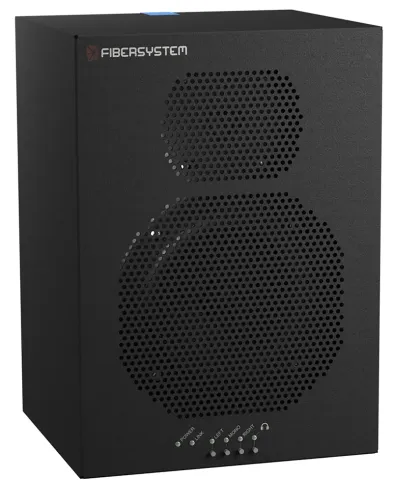
TEMPEST Level A · RÖS U1
Monitor 55" Level A
- Screen size
- 55”
- Optimal (recommended) resolution
- 3840 x 2160 @ 60 Hz
- Display area
- 1210 x 680 (WxH) mm
Product no 60-00-7728
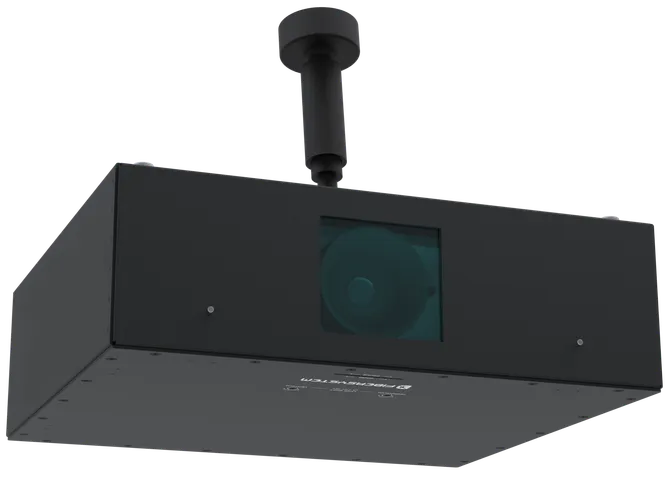
TEMPEST Level A · RÖS U1
Projector V7
- Brightness
- 6500 Lumen
- Format
- 16:10/16:9/4:3
- Zoom / focus
- Manual
Product no 60-00-8845
Next step
Designing something that is not here?
Send us the constraints. We build from idea to certified end product, and most of what is in the catalogue started that way.
Verified credentials
All certifications- NATOCertified TEMPEST supplierSDIP-27 · Level A & B

- Government of SwedenSupplier to Swedish authoritiesPolice · FMV · FOI

- Swedish Armed ForcesM-numbered equipmentMain supplier, Total Defence

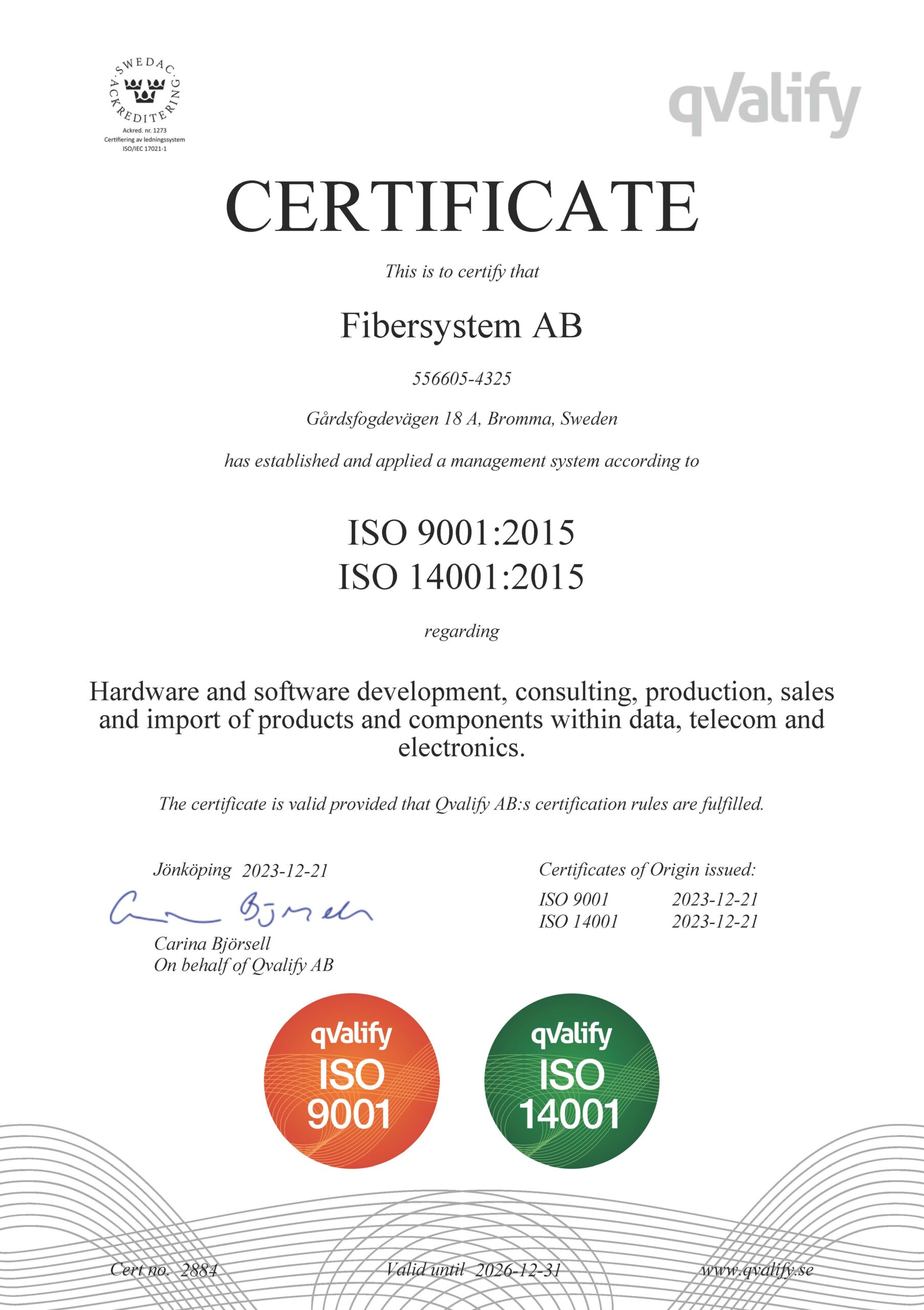
- ISO 9001 14001ISO certifiedQuality & environmentDownload certificate (JPG)
- SOFFDefence industry memberExport control frameworks

- Made in SwedenDesigned & built in StockholmSecure supply chain