Pattern KV-A
Shared workstation with physical KVM switching
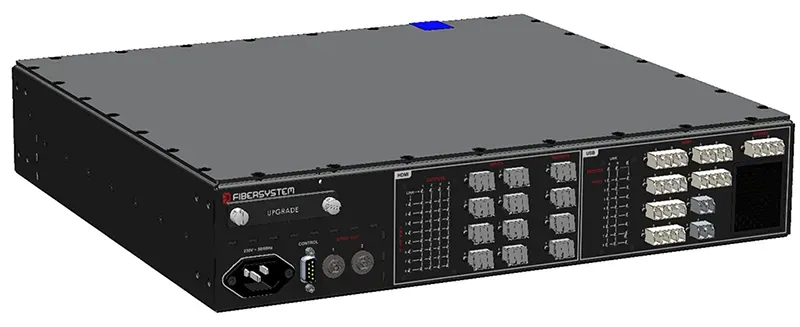
Four properties separate a secure KVM from an ordinary one: EDID emulation, one-way HID, no shared buffer, tamper indication.
- Area
- KVM & VTC
- Environments
- 4
- Products used
- 10
How it is built
- Data path
- Path that does not exist
Used in these environments
- Control room with several networksShared peripherals are the channel between the domains, and an ordinary KVM switch shares EDID, USB state and sometimes memory.
- Emergency call centreRound-the-clock operation with no maintenance window: whatever is installed has to be replaceable while it runs.
- Operator station in process industryOT and IT on the same desk, with the operator responsible for keeping them apart.
- Vehicle and vessel installationThe rugged data diodes carry 810G and 461 data; no converter, extender or switch in the catalogue does.
How it works
One set of peripherals, several domains, and a physical switch between them. The peripherals are shared, which is precisely why they are the channel that has to be governed.
Four properties separate a secure KVM from an ordinary one
An emulated EDID presented to each source rather than the display’s own. A keyboard and mouse path that is unidirectional in hardware. No buffer, memory or configuration that survives a switch. And tamper indication on everything that affects those three.
USB is the part that gets forgotten
Only HID class belongs across a domain boundary. Storage devices, composite devices and devices that change class after enumeration have to be rejected — and a keyboard with its own memory is a shared object whether or not anyone thinks of it that way.
The indication has to be real
Driven by the state of the equipment, not by a control system’s belief about it. An operator who has to infer which domain is active will eventually infer wrong.
In the catalogue
Equipment from the catalogue
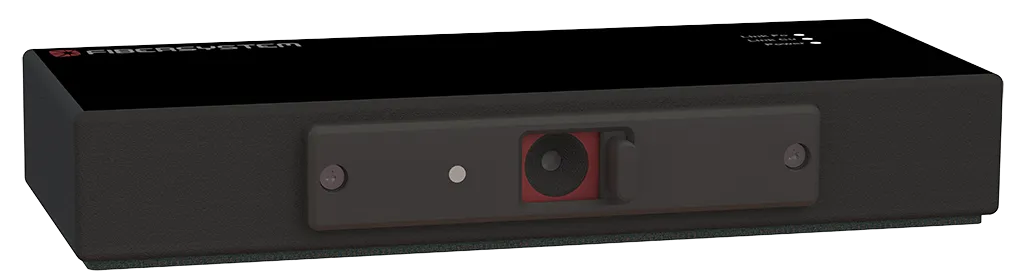
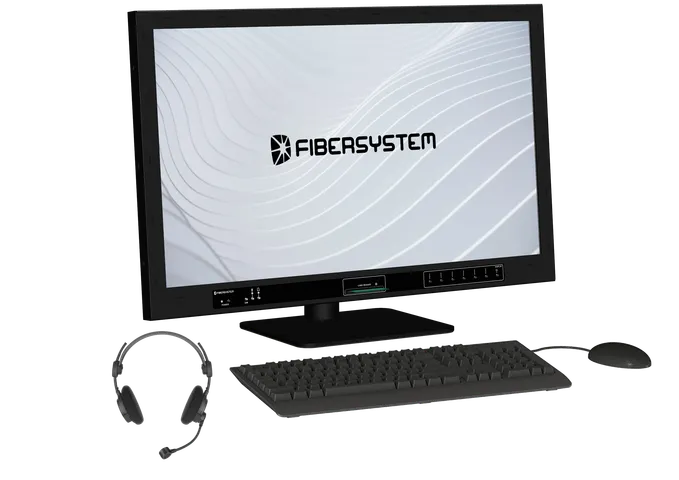
TEMPEST Level A · RÖS U1
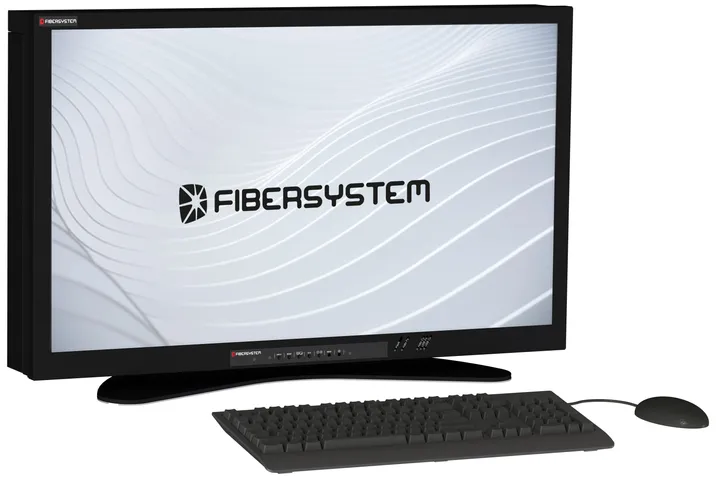
Thin Client 27"
- CPU
- Intel CPU i3-N305
- Optimal (recommended) resolution
- 3840 x 2160
- Display area
- 596 x 335 (WxH) mm
Product no 60-00-9161
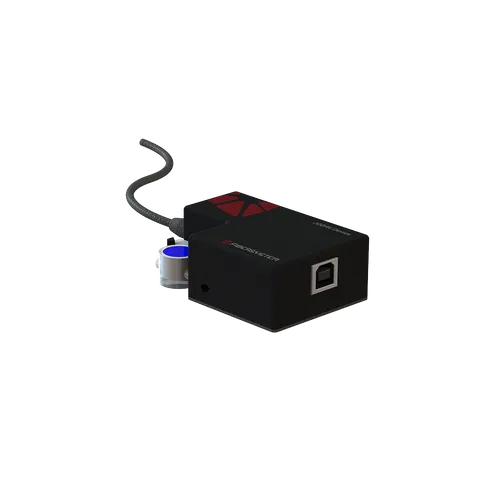
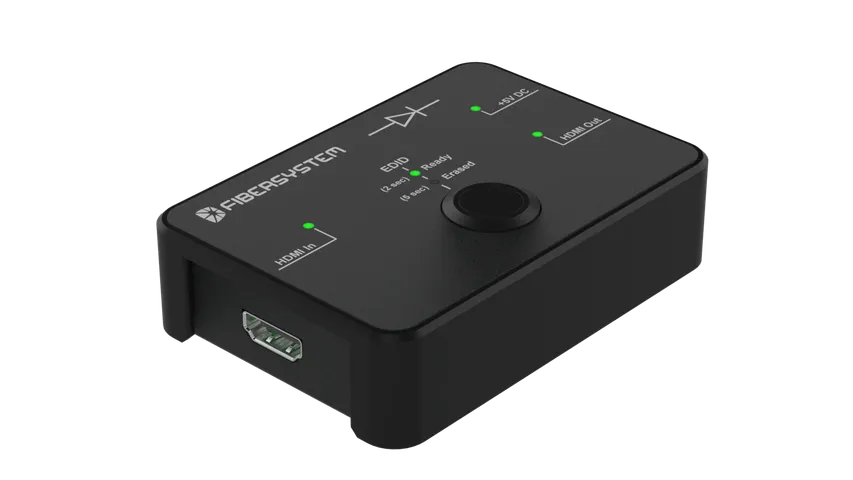
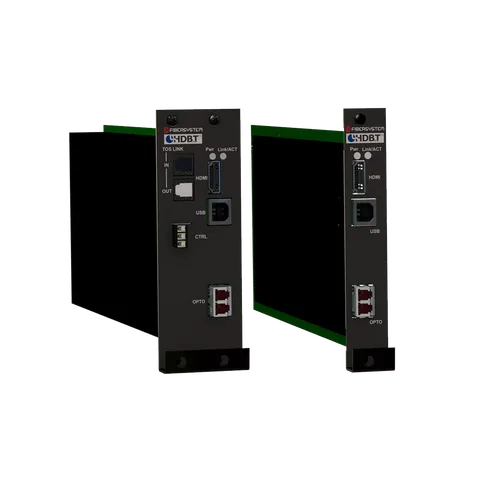
Standard
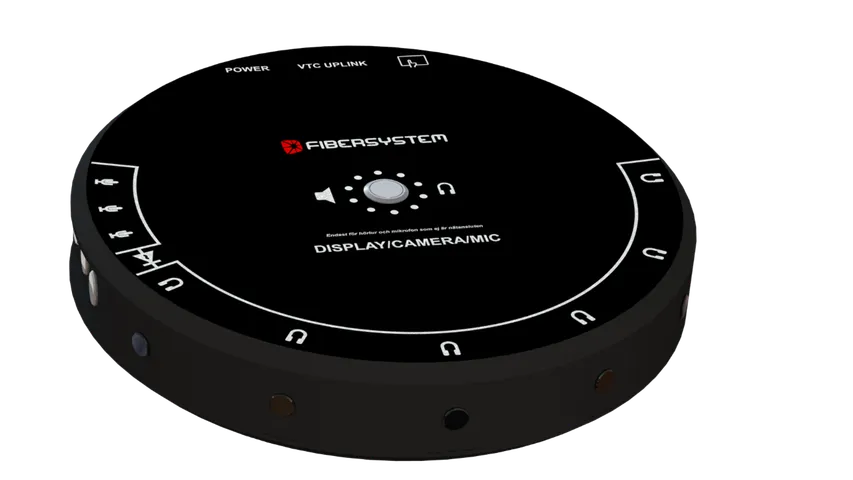
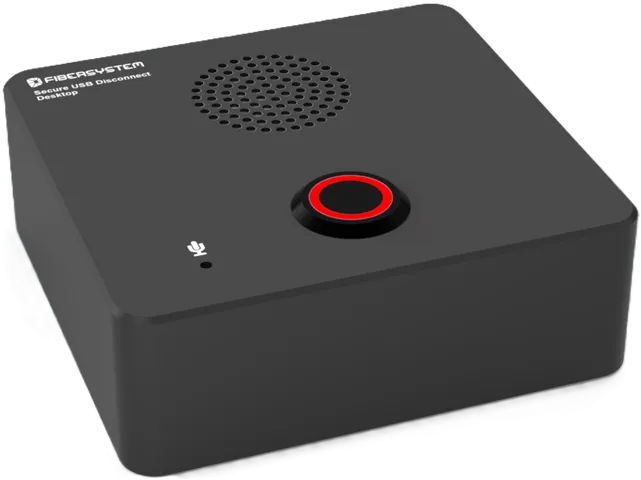
Secure USB Disconnect Desktop
- Dimensions
- 38 x 100 x 100 (HxWxD) mm
- Weight
- 300 Gram
Product no 60-00-0234
TEMPEST Level A · RÖS U1
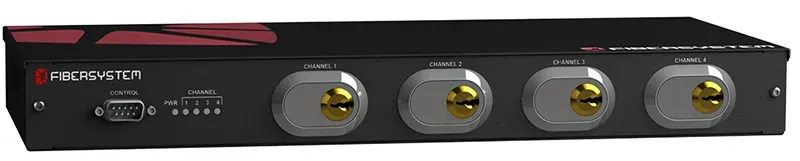
KVM Monitor 32" HDBaseT
- Optical system budget
- Depends on type of SFP
- Fiber optic connector
- LC
Product no 60-00-7401
Next step
Designing something that is not here?
Send us the constraints. We build from idea to certified end product, and most of what is in the catalogue started that way.
Verified credentials
All certifications- NATOCertified TEMPEST supplierSDIP-27 · Level A & B

- Government of SwedenSupplier to Swedish authoritiesPolice · FMV · FOI

- Swedish Armed ForcesM-numbered equipmentMain supplier, Total Defence

- ISO 9001 14001ISO certifiedQuality & environmentDownload certificate (JPG)
- SOFFDefence industry memberExport control frameworks

- Made in SwedenDesigned & built in StockholmSecure supply chain