The idea of transmitting light by use of refraction dates back to the middle of the 19th century. Around 100 years later, the first transmissions of light by refraction to carry information took place. Today fiber optics forms the basic information highways around the world. Fiber optics has become a real beauty, and below you’ll see how and why.
Fiber Optic – what is it really?
As light in itself offers enormous bandwidth, the idea of transmitting light in a cable calls for something other than the good old copper wire – a new type of cable. How could light be transmitted over long distances without losing power? The answer is refraction. The light signal has to “bounce” along the inside of the cable with as little loss as possible. When the elements Iron, Chlorine, Hydrogen, Argon, Nitrogen, Silicon, Germanium, Helium, Carbon, Oxygen and sometimes even Fluorine are put together, the Optical Fiber is born.
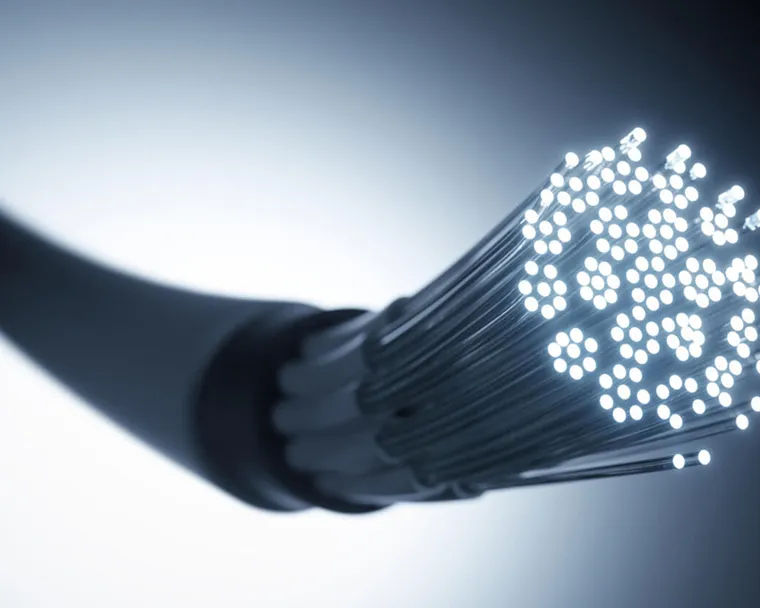
Today’s transmission fiber typically comes in a bundle – a fiber optic cable. Thin as a fishing line, the fiber has a pure glass core through which the light signal travels.
So, what’s the beauty then?
In fact, there are several beauties.
First, the speed of light – 300,000 kilometres per second – is possible with fiber optics. Now you may say that it’s the same speed as with copper wire or even good old radio transmission, nowadays called wireless. Well, you’re perfectly right. It is. But as fiber optics also provides a bandwidth far wider than copper wire or wireless, the combination of speed and bandwidth makes the fiber unique in its capacity.
Fiber optics is the super-connector!
But that’s not all.
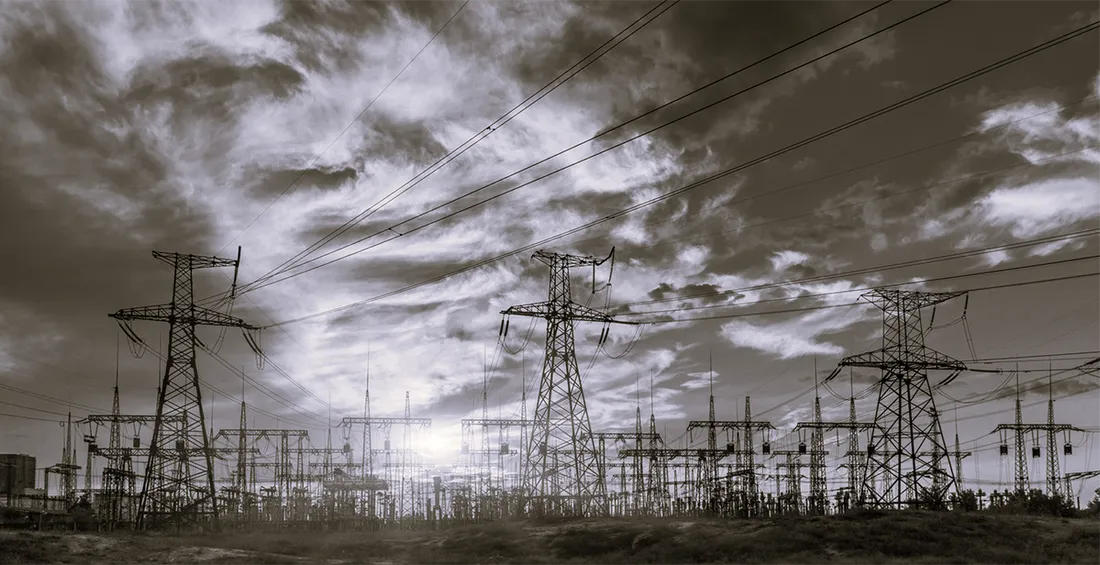
As fiber optics uses light, no magnetic fields or high-voltage lightning can disturb the light signal. It is more or less insensitive to its surroundings. Even high temperatures won’t cause any interference. Think of a thunderstorm (more likely as the climate changes) with lightning that hits the ground, travels along old copper or metal wires and damages a lot of electronic equipment. Optical cables, however, won’t catch the lightning and won’t provide an “autobahn” for the high voltage to reach sensitive equipment.
Fiber optics is also the super-isolator!
And, last but not least, fiber optics is lightweight. Lower weight means reduced fuel consumption in the automotive industry, for example. And reduced fuel consumption reduces cost and pollution. You may actually say that fiber optics provides both economic value and environmental value.
Summing up
The beauty of fiber optics is that it is a super-connector, super-isolator and lightweight all in one.
It has the unique feature of being both protecting and connecting at the very same time.
Fibersystem has been engaged in and committed to the beauty of fiber optics for over 35 years. We know this component’s capabilities and how to develop applications based on it. We take advantage of the core values of fiber optics to provide the best Protection and Connection to our customers around the world.
The beauty of Fiber Optic is here for you!
You may download this White Paper as a PDF file here.